.webp)
Construction Chemicals
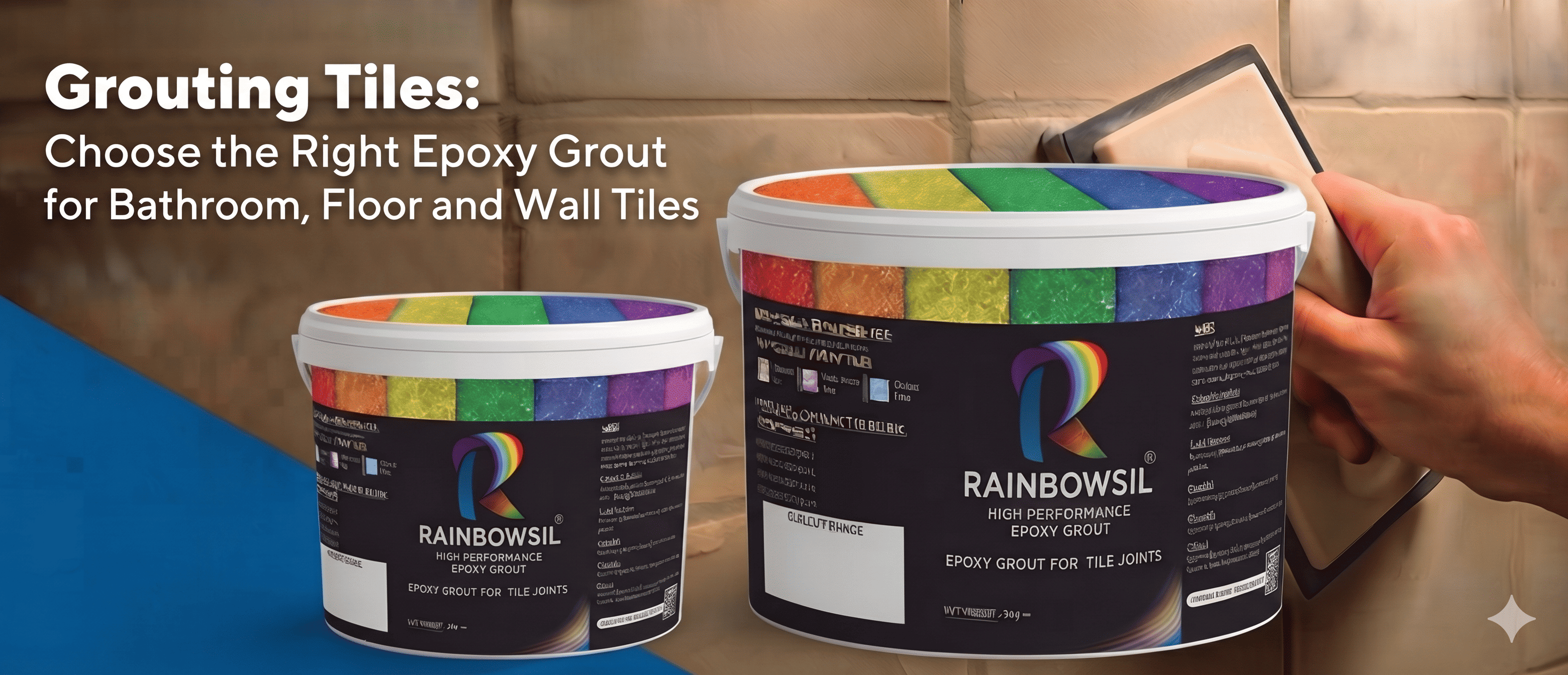
Tiles are widely used in bathrooms, kitchens, living spaces, and commercial buildings because they are practical and easy to maintain. However, installing tiles is only one part of achieving a clean and reliable tiled surface. The spaces between tiles also need proper attention. This is where grouting tiles becomes important. Tile grout fills the joints between individual tiles, helps prevent dirt and debris from collecting in the gaps, and gives the tiled surface a neat, finished appearance. Choosing the right grout also matters because bathroom floors, kitchen walls, swimming pools, and commercial floors face different levels of moisture, cleaning, and daily use. Among the available options, epoxy grout is particularly useful for areas that require better resistance to moisture, stains and regular cleaning. Rainbowsil Epoxy Grout by 20MCC is a coloured quartz-based epoxy grout developed for ceramic tiles, stone joints and vertical tiles. Available in 1 kg and 5 kg packs, it is suitable for various residential, commercial and industrial applications. If you are planning a new tiling project or renovating an existing space, choosing the right grout can make a noticeable difference. Explore Rainbowsil Epoxy Grout by 20MCC for your tile grouting requirements. Tile grouting is the process of filling the gaps between installed tiles with a suitable grout material. These gaps, commonly called grout joints, are intentionally maintained during tile installation to accommodate minor dimensional differences, support the tile layout and provide space for joint filling. Without properly filled joints, dirt, food particles, moisture and cleaning residues can collect between tiles. Over time, this can affect the appearance and cleanliness of the tiled surface. Grouting also gives the installation a more uniform appearance by creating consistent lines between individual tiles. Proper tile grouting offers several practical benefits: Protects tile joints: Grout fills the gaps between tiles and helps prevent dirt, debris and other unwanted materials from accumulating. Improves moisture resistance: Suitable grout, particularly epoxy grout, helps limit water absorption through the joints. Reduces staining: Epoxy grout is useful in areas exposed to food spills, oils, cleaning products and everyday stains. Makes cleaning easier: Properly filled joints provide a more finished surface that is easier to maintain. Improves appearance: Matching or contrasting grout colours can enhance the overall tile design. Supports joint performance: Properly selected and installed grout helps maintain the integrity of the tile installation. One important point is that grout should not be considered a replacement for waterproofing. Bathrooms, balconies and swimming pools still require an appropriately designed waterproofing system beneath the tiles. Tile grout is used in almost every type of tiled installation, including: Bathroom floors, shower areas and wall tiles. Kitchen backsplashes and flooring. Living room and bedroom flooring. Swimming pools and jacuzzis. Hotels, restaurants and shopping malls. Hospitals, clinics and laboratories. Industrial floors and food-processing facilities. Garages, workshops and utility areas. The grout selection depends on the installation environment, tile material, joint width, cleaning frequency and expected exposure to moisture or chemicals. Two commonly used options for grouting tiles are cement-based grout and epoxy grout. Both fill tile joints, but their composition, installation requirements and performance characteristics are different. Understanding these differences helps you select the right material for your project. Cement-based grout is made using cement, fillers, pigments and other additives. It is mixed with water or a specified liquid additive before application. It is commonly used in residential tile installations because it is generally economical and relatively straightforward to apply. Its main characteristics include: Suitable for various ceramic and porcelain tile installations. Available in sanded and unsanded formulations. Generally easier to apply using conventional grouting tools. Requires appropriate curing and maintenance. Can absorb moisture and develop stains if not properly protected or maintained. Cement grout may be suitable for ordinary residential areas, but wet spaces and heavily used floors may require a higher-performance alternative. Epoxy grout is made using epoxy resin, a hardener and suitable fillers or pigments. Unlike conventional cement grout, it does not rely on cement as its primary binding material. When its components are mixed in the specified proportions, a chemical reaction helps the material harden and form a dense grout joint. Key characteristics of epoxy grout include: Low water absorption compared with conventional cement grout. Better resistance to many common household stains. Good resistance to regular cleaning and maintenance. Suitable for demanding wet and high-traffic environments. Available in different colours to complement tile designs. Because epoxy grout has different handling and cleaning requirements, correct mixing and application are particularly important. Which should you choose? For basic residential applications, cement grout may be sufficient. However, if your project involves shower floors, swimming pools, commercial kitchens, showrooms or other areas where moisture and frequent cleaning are concerns, epoxy grout is worth considering. Bathrooms are among the most demanding areas for tile grouting. Floors and walls regularly come into contact with water, soap, shampoos, cleaning products and personal care items. Therefore, choosing suitable bathroom tile grout is important for maintaining clean joints and reducing moisture-related problems. For bathroom floors, shower enclosures and other frequently wet areas, epoxy grout is a suitable option because of its low water absorption and resistance to common stains. However, different bathroom surfaces have different requirements. Shower floors: Choose grout suitable for continuous or frequent water exposure. Proper substrate waterproofing and drainage are equally important. Shower walls: Epoxy grout for wall tiles can help maintain cleaner joints in areas exposed to soap and water. Bathroom flooring: Consider foot traffic, cleaning frequency and the possibility of cosmetic product spills. Washbasin areas: Select grout that can handle water splashes, toothpaste and regular cleaning. An important practical consideration is drainage. Even high-performance grout cannot compensate for standing water caused by incorrect floor slopes or poorly positioned drainage outlets. Grout colour affects both the appearance and maintenance of a tiled surface. Here are some practical colour-selection considerations: White grout: Creates a clean, bright appearance but may show dirt more visibly. Grey grout: Works well with white, grey and neutral-coloured tiles. It is also a practical option for frequently used floors. Beige or natural shades: Complement earthy tiles, stone finishes and warm interior designs. Black grout: Creates a strong contrast with lighter tiles and can work well in contemporary spaces. For a consistent appearance, compare the grout shade with an actual tile sample under the lighting conditions of the installation area. A colour that looks suitable in a showroom may appear different under warm bathroom lighting. Before purchasing grout for bathroom tiles, consider these factors: Water exposure: Identify whether the grout will be used in a dry bathroom area, shower enclosure or frequently wet floor. Tile material: Ceramic, porcelain and natural stone may have different compatibility requirements. Joint width: Check whether the grout is suitable for the planned joint dimensions. Cleaning frequency: Bathrooms that require frequent cleaning benefit from grout with good stain resistance. Colour compatibility: Select a shade that complements the tile and the overall bathroom design. Application requirements: Consider the mixing, application and cleaning process before selecting an epoxy product. Floor tile grout experiences different conditions depending on the location. A bedroom floor may receive moderate foot traffic, while a shopping mall or commercial kitchen may experience constant movement, spills and frequent cleaning. Selecting the right floor tile grout requires considering these practical conditions rather than choosing a product based only on its colour or price. For residential flooring, consider the following: Living rooms and bedrooms generally experience moderate foot traffic. Kitchen floors are exposed to oil, food spills and frequent cleaning. Entrance areas may accumulate dust, mud and outdoor debris. Utility rooms may experience water splashes and cleaning chemicals. Epoxy grout can be a useful choice for kitchens, entrance areas and other locations where stain resistance and easier joint maintenance are priorities. For less demanding areas, cement grout may also be suitable, depending on the tile and installation requirements. Commercial floors require grout that can handle more intensive daily use. Showrooms, hotels, shopping malls, multiplexes and commercial kitchens experience regular foot traffic and frequent cleaning. Their grout joints may be exposed to dust, spilled liquids, cleaning agents and repeated washing. In such environments, epoxy grout offers practical advantages because it has low water absorption and better resistance to many stains and cleaning-related challenges. For example, in a shopping mall, grout joints near food outlets and entrances may experience more frequent spills and cleaning than those in decorative display areas. Selecting grout based on these differences can help simplify maintenance. The tile material and grout joint dimensions should always be considered together. A useful installation detail is that two floors with the same total area can require different amounts of grout. Smaller tiles generally create more joints than larger tiles, increasing the total volume of grout needed. Selecting an appropriate grout is important, but the product's composition, compatibility and application requirements also matter. Rainbowsil by 20MCC is a decorative coloured quartz-based epoxy grout developed for tile joints. It combines high-purity quartz, a polymer binder and lightfast pigments to provide a coloured finish for tiled surfaces. It is specially developed for ceramic tiles, stone joints and vertical tiles, making it suitable for several residential and commercial installations. Rainbowsil is designed for three key tile applications: Ceramic tiles: Suitable for filling joints in ceramic tile installations. Stone joints: Designed for use in compatible stone tile joint applications. Vertical tiles: Suitable for wall tile installations where consistent joint filling and finishing are required. Before application on natural or sensitive stone, a compatibility test on a small, inconspicuous area is recommended. Rainbowsil offers several characteristics that make it suitable for demanding tile installations: High-purity quartz: The product uses quartz-based filler material. Coloured finish: Lightfast pigments help provide decorative colour to tile joints. Epoxy formulation: The resin-based formulation provides low water absorption and resistance to many common stains. Residential and commercial use: Suitable for wet and dry areas, including bathrooms, kitchens, showrooms and shopping malls. Specialised applications: Can be used in compatible industrial, healthcare and wellness environments. Multiple pack sizes: Available in 1 kg and 5 kg packaging. Rainbowsil is available in two pack sizes to accommodate different project requirements. The actual quantity required depends on tile dimensions, joint width, joint depth and application conditions. Rainbowsil comes with three components that need to be mixed before application. Each component serves a specific purpose: Part A: Resin component. Part B: Hardener component. Part C: Coloured quartz-based filler component. The three components work together to create the ready-to-apply epoxy grout mixture. An important practical point is to maintain the supplied component proportions. Avoid estimating the quantities by eye or adding extra filler or hardener to change the consistency. Incorrect proportions can affect the final grout performance. Rainbowsil is intended for more than conventional residential tile installations. Its application range includes several wet, dry, high-traffic and specialised environments. Bathrooms, kitchens and swimming pools require grout that can withstand frequent contact with water and regular cleaning. Rainbowsil can be considered for compatible tile joints in: Bathroom floors and walls. Shower enclosures. Kitchen floors and backsplashes. Swimming pool tile joints. Jacuzzis and wellness areas. For swimming pools and other continuously immersed installations, confirm the complete system's suitability and curing requirements with 20MCC before filling the pool with water. Commercial properties need flooring solutions that can handle daily use without requiring excessive joint maintenance. Rainbowsil is suitable for considering in: Retail showrooms. Hotels and hospitality spaces. Shopping malls. Multiplexes. Commercial corridors. High-traffic podium areas. For example, hotel floors may require frequent cleaning to maintain hygiene and presentation. Using suitable epoxy grout can help reduce the staining and moisture absorption concerns commonly associated with conventional grout. Industrial environments often expose tiled surfaces to demanding operating conditions. Rainbowsil's listed applications include: Laboratories. Production and storage workshops. Paper mills. Dyeing plants. Tanneries. Breweries. Commercial kitchens. Dairies and food-processing facilities. In these environments, grout selection should also account for the chemicals, temperatures and cleaning procedures used at the facility. Confirm chemical compatibility before installation. Certain environments require surfaces that can be cleaned regularly and maintained with attention to hygiene. Rainbowsil is also listed for applications such as: Operating theatres. Clinics. Showers. Jacuzzis. Saunas. Spas. Battery rooms. Toilets and waste-treatment plants. For healthcare and food-processing facilities, the complete flooring system must meet the applicable hygiene and regulatory requirements. Grout selection alone does not establish compliance. Applying epoxy grout requires proper surface preparation, accurate mixing and careful cleaning. Unlike conventional cement grout, epoxy grout starts hardening after its components are mixed, so preparation before mixing is essential. Here is the general application sequence based on Rainbowsil's published instructions. Before starting, ensure that the tile adhesive or bedding material has set as required. Remove loose material, dust and debris from the joints. Check that the joints are clean and free from excess adhesive. Ensure that the tile surface is ready for grouting. Keep the necessary tools and cleaning materials nearby. Practical tip: Check the joints at floor edges, corners and around drains carefully. Excess adhesive in these locations can prevent consistent grout filling. Rainbowsil contains Part A, Part B and Part C. According to the manufacturer's application instructions: Mix Part A and Part B in a clean container. Gradually add Part C, the pigmented filler component. Mix all three components for approximately 3–4 minutes. Continue until a uniform paste consistency is achieved. Use the supplied quantities and avoid mixing larger batches than can be applied within the product's working time. Confirm the applicable working time with 20MCC. Apply the prepared epoxy grout into the tile joints using a suitable grouting tool. Work systematically across manageable sections to ensure that the material fills the joints properly. Pay attention to: Filling the complete joint depth. Avoiding air pockets and unfilled sections. Maintaining a consistent grout finish. Removing excess material as directed by the manufacturer. Cleaning is one of the most important stages of epoxy grouting. Epoxy residue can become difficult to remove once it hardens. Therefore, do not assume that cleaning can be postponed until the grout is completely cured. Follow Rainbowsil's current cleaning instructions and use the recommended cleaning materials and timing. Check the tile surface for any remaining residue, especially around textured tiles and edges. After application and cleaning, allow the grout to cure according to the manufacturer's specified conditions. During this period: Avoid unnecessary foot traffic. Protect the freshly grouted area from water and dirt. Do not begin regular washing before the recommended curing period. Follow the manufacturer's instructions before allowing the area to return to normal use. Important: Temperature, humidity, ventilation and application conditions can affect the setting and curing process. Refer to the latest Rainbowsil technical instructions for the exact working time and curing schedule. Estimating the quantity of grout before starting installation helps avoid material shortages and unnecessary purchases. However, grout consumption is not determined by floor area alone. Two rooms with the same dimensions can require different amounts of grout depending on tile size and joint dimensions. The following factors influence how much floor tile grout or bathroom tile grout you need: 1. Tile length and width Smaller tiles create more joints per square metre. Therefore, a mosaic installation may require considerably more grout than a large-format tile installation. 2. Joint width Wider joints require more grout material. Even a small increase in joint width can affect the total consumption across a large tiled area. 3. Joint depth Deeper joints require additional material to fill the available space. 4. Total tiled area Larger installation areas naturally require more grout, provided the tile dimensions and joint specifications remain the same. 5. Application and wastage Uneven joints, surface irregularities, and application methods can influence the final quantity. For a more accurate estimate, consider the following information before purchasing grout: These measurements provide the basic information needed to estimate grout consumption. The actual requirement also depends on the product's material properties and application conditions. Rather than relying on a general estimate, use the 20MCC Coverage Calculator to calculate the approximate material requirement for your project. For large installations, it is also advisable to account for application wastage and confirm the final quantity with the product supplier or installer. If you are looking for epoxy grout for bathroom tiles, kitchen surfaces, swimming pools or commercial flooring, choosing a product that matches your installation requirements is important. Rainbowsil Epoxy Grout by 20MCC is a coloured quartz-based grout developed for ceramic tiles, stone joints and vertical tile applications. It is available in 1 kg and 5 kg packs, with three components: Part A (resin), Part B (hardener) and Part C (coloured filler). Its listed applications include residential wet areas, swimming pools, commercial kitchens, showrooms, hotels, industrial facilities and healthcare environments. Whether you are working on a small bathroom renovation or a larger commercial tiling project, Rainbowsil provides an epoxy grout option for compatible tile installations. Looking for a suitable grout for your next tiling project? Explore Rainbowsil Epoxy Grout by 20MCC to check product details, available pack sizes and application suitability. You can also contact the 20MCC team for product-related guidance. Frequently Asked Questions Yes. Epoxy grout can be used for compatible floor tile installations in residential and commercial spaces. It is particularly useful in kitchens, showrooms, hotels and other areas exposed to regular cleaning, moisture and stains. Always check the product's suitability for the specific tile and installation. Yes. Epoxy grout can be used for compatible vertical tile installations. Rainbowsil is specifically developed for ceramic tiles, stone joints and vertical tiles. Correct mixing and application are important to achieve properly filled and finished joints. Cement grout uses cement, fillers and pigments, while epoxy grout uses resin, hardener and fillers. Cement grout is generally easier to apply and more economical. Epoxy grout offers lower water absorption and better resistance to many stains, making it useful for demanding wet and high-traffic environments. The quantity depends on tile dimensions, joint width, joint depth and the grout formulation. Smaller tiles and wider or deeper joints generally increase grout consumption. Therefore, there is no single quantity that applies to every installation. Use the 20MCC Coverage Calculator to estimate your requirement. Rainbowsil is available in two pack sizes: 1 kg and 5 kg. Both packs contain Part A (resin), Part B (hardener) and Part C (coloured filler), with component quantities proportioned according to the pack size.What Is Tile Grouting and Why Is It Important?
Benefits of Proper Tile Grouting
Where Is Tile Grout Used?
Types of Tile Grout: Cement Grout vs. Epoxy Grout
Cement-Based Grout
Epoxy Grout for Tiles
Key Differences Between Cement and Epoxy Grout
How to Choose the Best Grout for Bathroom Tiles
Grout Selection for Wet Areas
Choosing the Right Grout Colour
Factors to Consider Before Buying Bathroom Tile Grout
How to Select the Right Floor Tile Grout
Grout for Residential Flooring
Grout for High-Traffic Commercial Spaces
Selecting Grout Based on Tile Type and Joint Width
Why Choose Rainbowsil Epoxy Grout for Tile Joints?
Specially Developed for Ceramic Tiles, Stone Joints and Vertical Tiles
Key Product Features and Applications
Available Pack Sizes: 1 kg and 5 kg
Rainbowsil Components: Part A, Part B and Part C
Applications of Rainbowsil Epoxy Grout
Bathroom, Kitchen and Swimming Pool Tile Grouting
Floor Tile Grout for Showrooms, Hotels and Shopping Malls
Industrial and Food-Processing Facilities
Healthcare, Wellness and Specialised Environments
How to Apply Epoxy Grout for Wall Tiles and Floors
Step 1 - Prepare the Tile Joints
Step 2 - Mix the Grout Components
Step 3 - Apply Grout to the Joints
Step 4 - Clean and Finish the Tile Surface
Step 5 - Allow the Grout to Cure
How Much Tile Grout Do You Need?
Factors Affecting Grout Consumption
Calculate Your Grout Requirement
Where to Buy Epoxy Grout for Tiles?
Which grout is best for bathroom tiles?Epoxy grout is a suitable choice for bathroom tiles, particularly in shower areas, bathroom floors and other frequently wet spaces. It offers low water absorption and better resistance to many common stains compared with conventional cement grout. However, proper waterproofing beneath the tiles is still necessary.
Is epoxy grout suitable for floor tiles?
Can epoxy grout be used for wall tiles?
What is the difference between cement grout and epoxy grout?
How much grout is required per square foot?
What pack sizes are available for Rainbowsil Epoxy Grout?