.webp)
Construction Chemicals
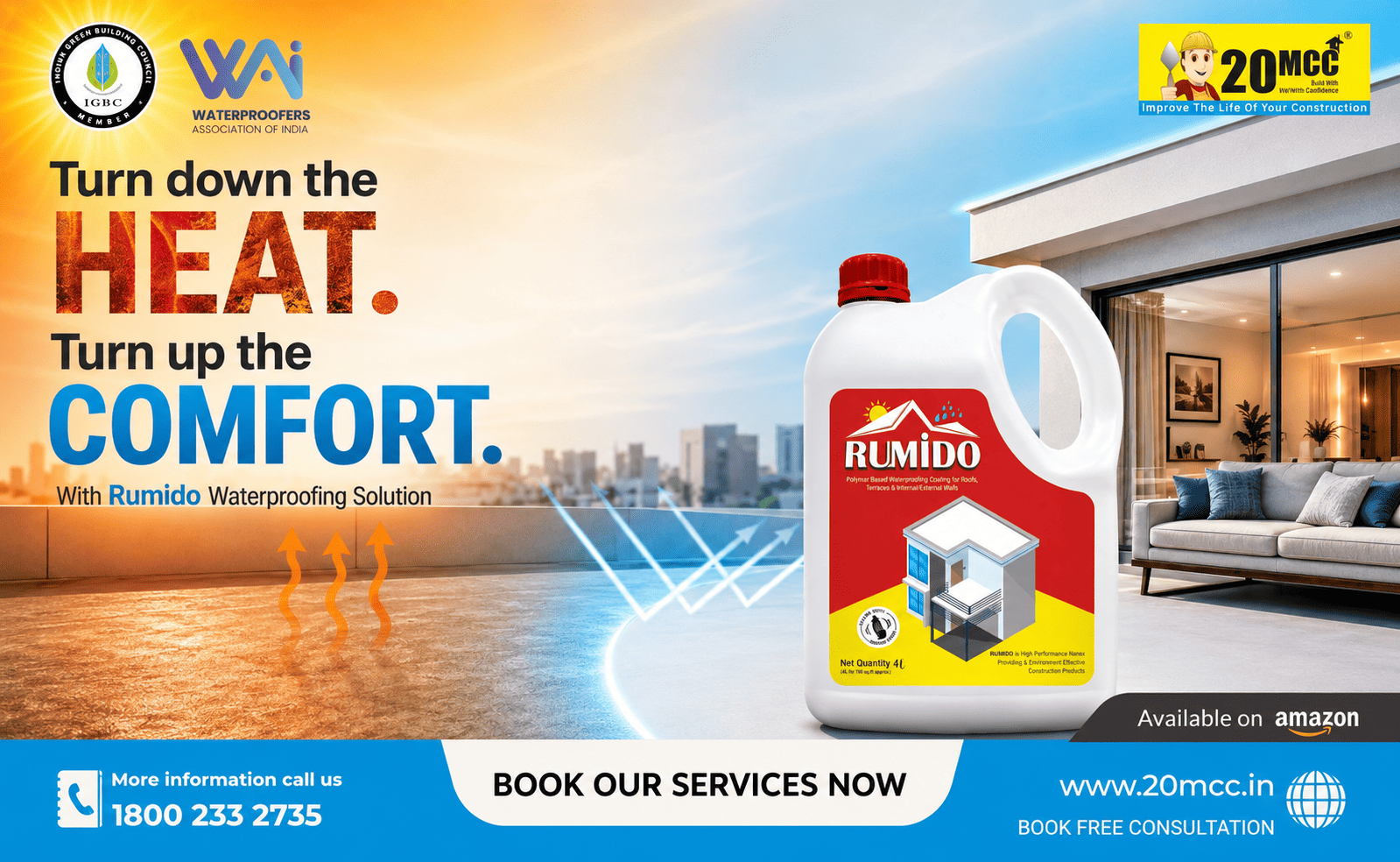
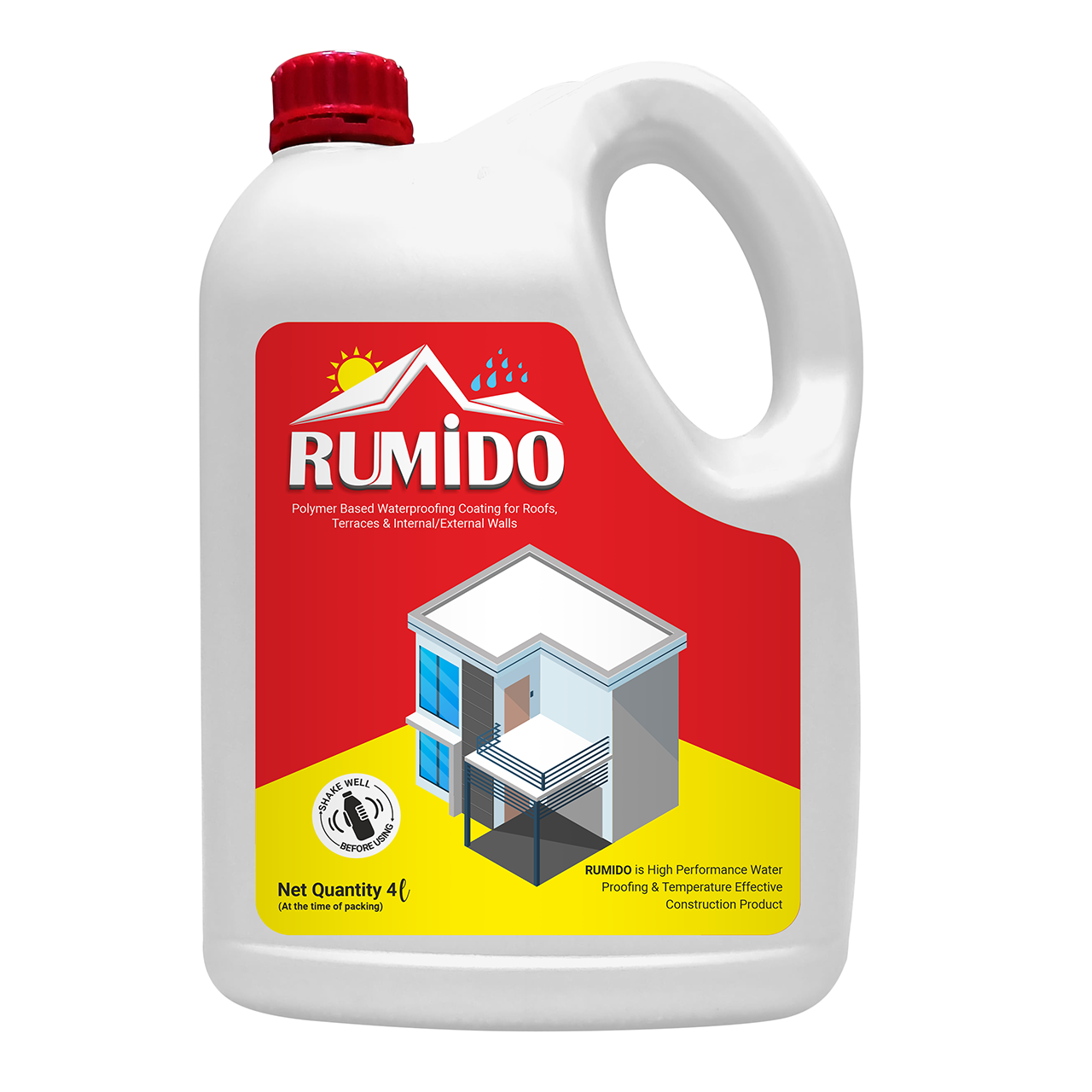
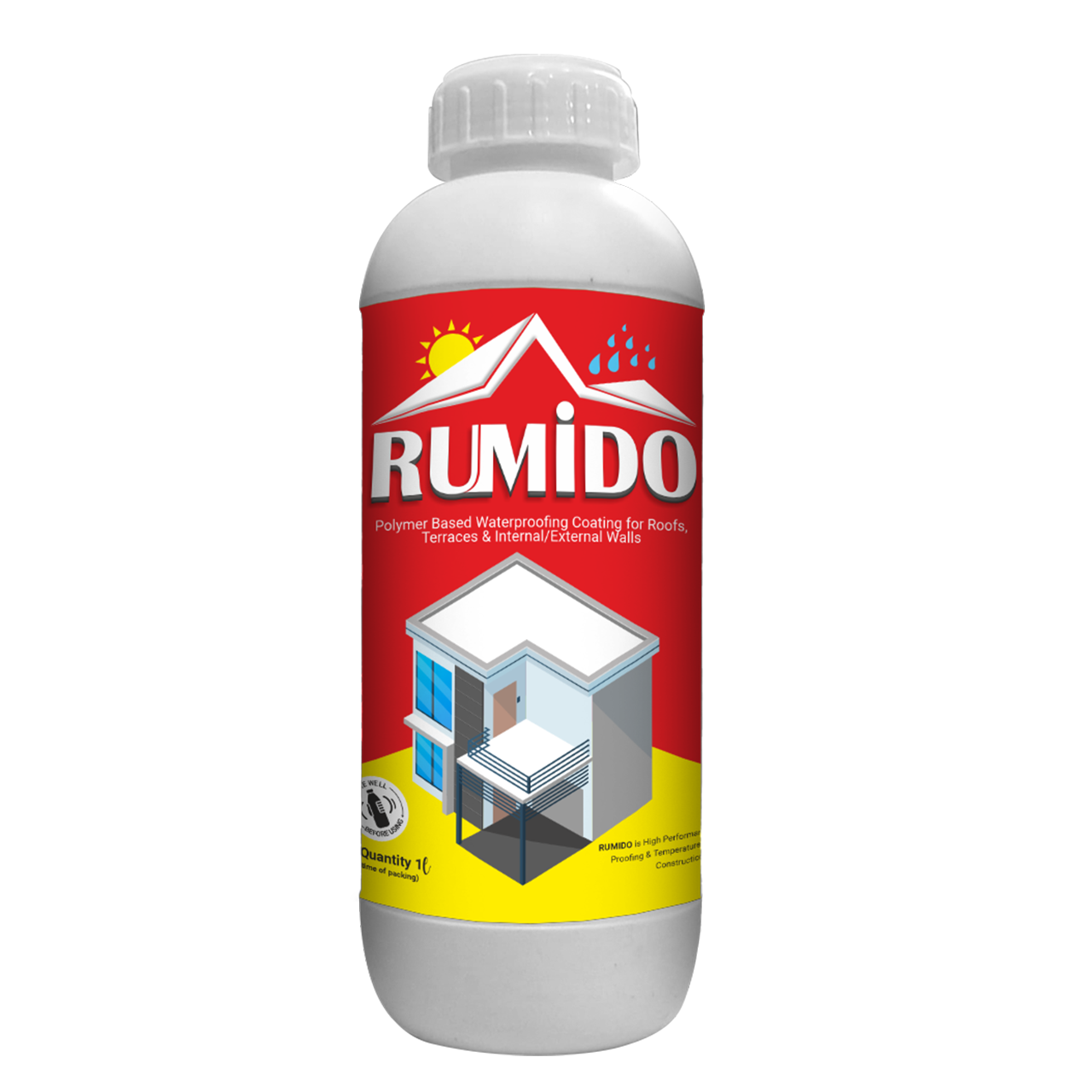
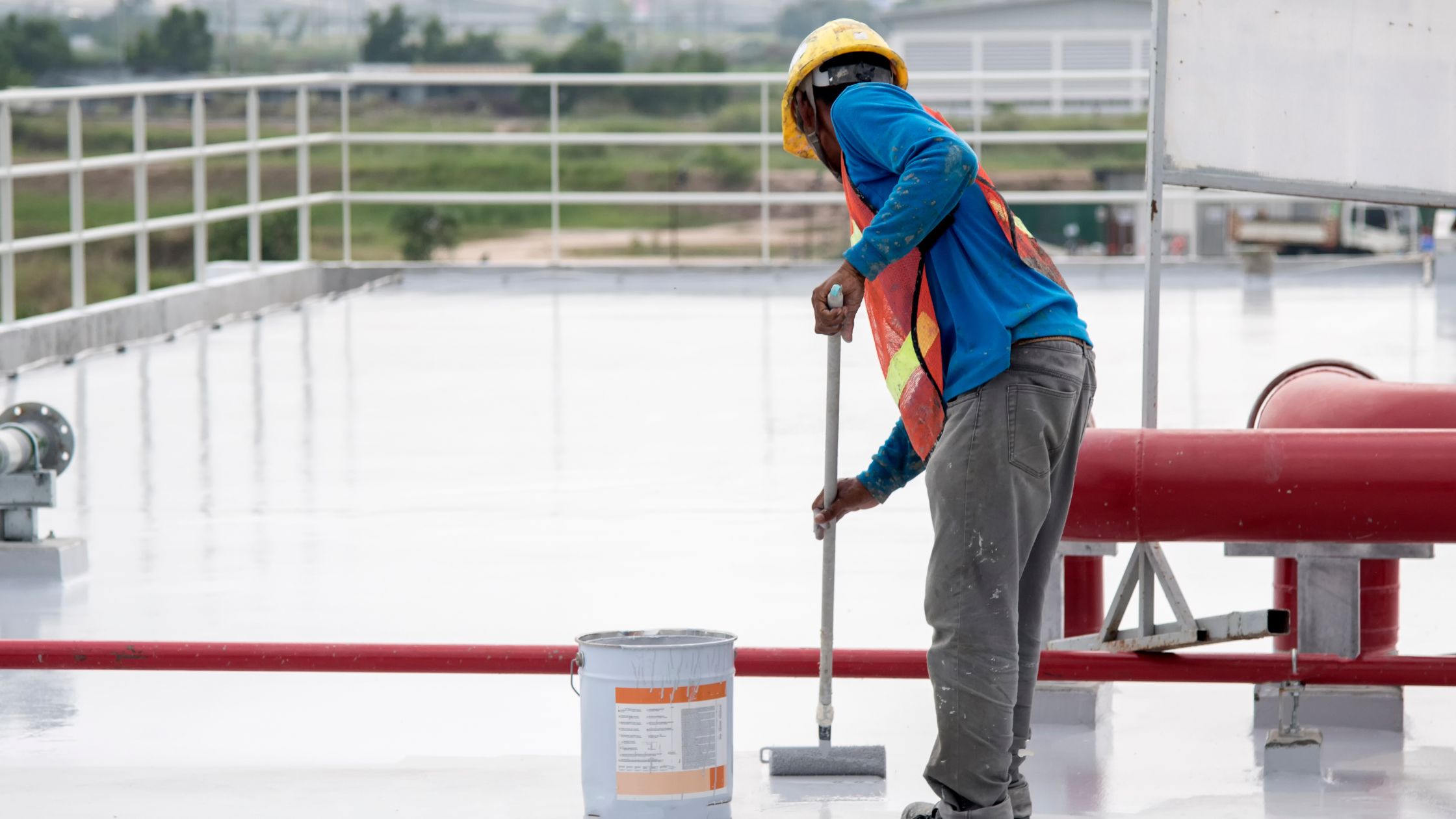
Indian summers can push roof surface temperatures significantly higher than the surrounding air temperature. Continuous exposure to intense sunlight can make indoor spaces uncomfortable while also accelerating roof deterioration. At the same time, roofs and terraces may face water leakage, dampness, cracks, and surface damage during the monsoon. A heat-reflective roof coating can help address these concerns by reflecting a portion of solar radiation and reducing heat absorption at the roof surface. When combined with waterproofing properties, it can provide protection against both excessive heat and water penetration. 20MCC Rumido is a waterproof coating designed for roofs, terraces, and walls. Its stated performance can help reduce surface temperature by up to 7–10°C while also providing protection against water leakage for up to 7 years. A heat-reflective roof coating is a specially formulated protective coating applied to a roof surface to reflect solar radiation and reduce the amount of heat absorbed by the underlying surface. During summer, conventional dark or untreated roof surfaces can absorb substantial solar energy. This heat can transfer into the building structure, contributing to higher indoor temperatures. A reflective coating helps reduce this heat absorption by reflecting more solar energy away from the surface. A heat-reflective coating is different from ordinary roof paint because its purpose goes beyond giving the surface a new colour or finish. Depending on its formulation, it may provide heat-reflective, waterproofing, bonding, and protective properties. A heat-reflective roof solution can therefore be particularly useful for buildings exposed to intense sunlight, especially in India's hot and varied climatic conditions. When sunlight reaches a roof, part of the solar radiation is reflected while the remaining energy is absorbed by the surface. The absorbed energy increases the roof's surface temperature, and some of this heat can gradually transfer into the building below.The extent of heat absorption depends on factors such as the roof's colour, material, surface condition, sunlight intensity, and duration of exposure. A reflective coating is designed to reflect a greater proportion of incoming solar radiation. By reducing solar heat absorption, it can help keep the roof surface cooler compared with an untreated or unsuitable surface.The resulting temperature reduction can vary depending on the roof material, weather conditions, coating coverage, surface preparation, and application quality. Yes, but its performance depends on several factors. A coating should not be expected to deliver the same temperature reduction on every roof.Roof orientation, sunlight exposure, existing surface condition, coating thickness, number of coats, and proper application can all affect results. For this reason, it is important to choose a product based on its stated technical performance and intended application rather than relying only on general temperature claims. One of the primary benefits of a heat reflective coating is its ability to reduce solar heat absorption. 20MCC Rumido is stated to provide a surface temperature reduction of up to 7–10°C, helping reduce the impact of intense solar exposure on treated surfaces. The actual reduction can vary depending on environmental and application conditions. Heat protection is only one part of roof protection. Roofs also need to withstand moisture and rainwater exposure. Rumido combines heat-reduction benefits with waterproofing properties, helping protect roofs and terraces against water leakage when correctly applied to suitable surfaces. A coating needs to remain effective after application to provide meaningful long-term protection. According to its product specifications, Rumido can provide protection against water leakage for up to 7 years, subject to proper surface preparation and application. Roofing substrates can differ considerably from one property to another. Rumido is formulated to provide strong bonding across multiple surfaces, making it suitable for different roof and wall applications. Roofs are continuously exposed to sunlight, rain, moisture, and changing weather conditions. A protective coating can create an additional layer between the substrate and these external elements, helping reduce surface deterioration. From intense summer heat to heavy monsoon rainfall, Indian roofs can experience challenging environmental conditions. A coating that combines heat reduction and waterproofing can provide a practical approach to protecting exposed roof surfaces throughout the year. Looking for a roof coating that helps control heat and protect against water leakage? Explore Rumido or contact 20MCC for the right solution for your roof. RCC roofs are widely used across residential, commercial, and industrial buildings. A suitable heat-reflective coating can be applied to compatible RCC surfaces after appropriate cleaning and preparation. Concrete surfaces can become significantly heated under prolonged sunlight. A reflective waterproof coating can help reduce solar heat absorption while providing an additional protective layer. Terraces receive direct sunlight and are also exposed to rainwater. Applying a suitable coating can help address both heat and moisture-related concerns. Commercial buildings often have large exposed roof areas. A reflective coating can provide an additional layer of protection while helping reduce the effect of solar heating on the roof. Industrial buildings may have extensive roof surfaces exposed to harsh weather. A suitable protective coating can help improve roof surface protection when applied according to the manufacturer's specifications. Heat exposure is not limited to roofs. Exterior walls can also receive significant solar radiation. Rumido is designed for roofs, terraces, and internal and external walls and can adhere to surfaces including concrete, China chips, mosaic tiles, brickbat coba, and painted surfaces. Is heat-reflective roof coating better than normal roof paint? The answer depends on what you expect from the product. Surface protection Designed to provide protective properties Mainly decorative/protective Adhesion Formulated for specified roofing substrates Depends on the paint type Durability Depends on product specifications and application Varies by paint Suitable surfaces Product-specific Product-specific Weather resistance Formulated for external exposure Varies Application Requires appropriate surface preparation Depends on the paint system Rumido is designed to provide multiple protective benefits for exposed surfaces. Rumido is stated to reduce surface temperature by up to 7–10°C, helping reduce the effect of direct solar exposure. In addition to heat reduction, Rumido provides waterproofing protection for roofs and terraces, helping address water leakage concerns. According to the product specifications, Rumido can provide protection against water leakage for up to 7 years when applied correctly. Rumido uses molecular nanotechnology and is described as penetrating porous surfaces by approximately 2–3 mm. This penetration helps support bonding with compatible porous substrates. Its formulation is designed to bond with several surfaces, including concrete, China chips, mosaic tiles, brick bat coba, and painted surfaces. Rumido can be used for roofs, terraces, and internal and external walls, making it suitable for multiple areas of a building. With proper surface preparation, Rumido can be applied as a two-coat system. Following the recommended preparation and drying time is important for achieving the intended performance. How to Apply Heat Reflective Roof Coating Proper application is essential for achieving consistent performance from any roof coating. Remove dirt, dust, loose particles, and other surface contaminants before application. Grease, loose coatings, debris, and other contaminants can interfere with adhesion. The surface should be cleaned thoroughly. Cracks, damaged areas, or other visible defects should be addressed before coating. A coating should not be treated as a substitute for repairing significant structural damage. Apply the first coat of Rumido evenly across the prepared surface, following the product's application instructions. Allow sufficient drying time before applying the next coat. The required time can depend on environmental conditions and the product instructions. Apply the second coat evenly to achieve the recommended coverage and coating system. Allow the coating to cure according to the manufacturer's instructions before exposing the surface to heavy moisture or other demanding conditions. The amount of coating required depends on the roof area, number of coats, and surface porosity. For Rumido, the stated coverage is: 1 coat: 55–65 sq. ft./litre 2 coats: 30–40 sq. ft./litre Porous surfaces may require more product, so actual consumption can vary. For a 500 sq. ft. roof requiring two coats: At 40 sq. ft./litre: approximately 12.5 litres At 30 sq. ft./litre: approximately 16.7 litres Therefore, approximately 13–17 litres may be required for two coats, depending on surface porosity and application conditions. For a 1,000 sq. ft. roof requiring two coats: At 40 sq. ft./litre: approximately 25 litres At 30 sq. ft./litre: approximately 33.3 litres Therefore, approximately 25–34 litres may be required for two coats, depending on the surface. For an accurate quantity recommendation, it is best to assess the actual surface condition and porosity before purchase. The cost of heat-reflective roof coating in India can vary significantly from one project to another. Looking only at the price per litre may not provide an accurate estimate of the total project cost. The coating's price depends on the formulation, performance specifications, pack size, and manufacturer. Larger roof areas require more material, increasing the overall product requirement. A two-coat application will require more product than a single coat but may be necessary according to the manufacturer's recommended system. Highly porous surfaces can consume more coating than smoother surfaces, affecting the total quantity required. Cleaning, crack repair, removal of loose material, and other preparation work can add to project costs. If the coating is applied by professionals, labour and application charges should also be considered. For larger projects, the 20 L Rumido pack can be a practical option for managing product requirements across larger roof areas. Need help calculating the quantity for your roof? Share your roof area with our team and get the recommended quantity. Choosing the right coating requires more than comparing prices. Consider the following factors before making a decision. Look for clearly stated performance specifications and understand that actual results can vary according to surface and weather conditions. If your roof also experiences leakage or moisture penetration, consider a product that provides waterproofing along with heat-reduction properties. Confirm that the coating can adhere to your existing roof surface. This is particularly important for older roofs with existing finishes. Review the manufacturer's coverage specifications to estimate how much product you will need. Look for clearly defined durability and protection claims rather than choosing solely based on the lowest purchase price. Understand the required surface preparation, number of coats, drying time, and curing requirements. Always refer to the manufacturer's technical information for application, coverage, compatibility, and performance. Where applicable, review the manufacturer's quality standards, certifications, and product documentation before selecting a coating. A coating cannot compensate for major structural defects. Existing cracks, damaged areas, loose surfaces, or severe leakage should be assessed and repaired appropriately before coating. Indian roofs can face several challenges during prolonged summer exposure. Direct and continuous sunlight can cause roof surfaces to become extremely hot, increasing heat transfer into the building. Roof cracks, deteriorated waterproofing systems, and drainage issues can allow rainwater to enter the building. Repeated heating and cooling, weather exposure, and substrate movement can contribute to surface cracking. Heat, moisture, poor adhesion, and surface contamination can cause existing paint or coatings to peel. Unprotected or damaged surfaces may allow moisture to enter porous substrates. Long-term exposure to sunlight and weather can gradually affect the condition of exposed roof surfaces. A suitable protective roof coating can address multiple roof-related problems instead of treating heat and moisture separately. Not every reflective coating is automatically waterproof. A product may be designed primarily for solar reflectivity without providing adequate protection against water penetration. Before selecting a coating, customers should check its technical specifications, intended application, waterproofing properties, and suitability for their roof. Rumido is positioned as a waterproof coating for roofs and terraces with heat-reduction benefits. This makes it relevant for customers looking for a solution that combines heat protection with protection against water leakage.What Is a Heat-Reflective Roof Coating?
How Does Heat-Reflective Roof Coating Work?
How Roofs Absorb Heat From Sunlight
How Reflective Coatings Help Reduce Roof Temperature
Does Heat Reflective Roof Coating Really Work?
Benefits of Heat Reflective Roof Coating
Reduces Roof Surface Temperature
Helps Protect Roofs From Water Leakage
Provides Long-Lasting Roof Protection
Provides Strong Adhesion to Multiple Surfaces
Helps Protect Against Sun and Weather Exposure
Suitable for Indian Weather Conditions
Where Can Heat-Reflective Roof Coating Be Used?
Heat Reflective Coating for RCC Roofs
Heat Reflective Coating for Concrete Roofs
Heat Reflective Coating for Terraces
Heat Reflective Coating for Commercial Buildings
Heat Reflective Coating for Industrial Roofs
Heat Reflective Coating for Walls
Heat Reflective Roof Coating vs Regular Roof Paint
Therefore, if the goal is simply to refresh the appearance of a roof, regular paint may be sufficient. If the objective includes heat reduction and waterproofing, a purpose-designed coating may be more suitable.Why Choose Rumido as a Heat-Reflective Roof Coating?
Heat Reduction of Up to 7–10°C
Waterproofing Protection
Up to 7 Years of Protection Against Water Leakage
Deep Penetration Into Porous Surfaces
Strong Bonding With Multiple Roof Surfaces
Suitable for Roofs, Terraces and Walls
Easy Application

Step 1: Clean the Roof Surface
Step 2: Remove Dust, Grease, and Loose Material
Step 3: Repair Existing Surface Damage
Step 4: Apply the First Coat
Step 5: Allow the First Coat to Dry
Step 6: Apply the Second Coat
Step 7: Allow Proper Curing
How Much Heat-Reflective Roof Coating Do You Need?
How Much Rumido Is Required for a 500 Sq. Ft. Roof?
How Much Rumido Is Required for a 1,000 Sq. Ft. Roof?
Heat Reflective Roof Coating Cost in India
Product Cost
Roof Area
Number of Coats
Surface Porosity
Surface Preparation
Labour and Application Cost
How to Choose the Best Heat-Reflective Roof Coating in India
Check Heat Reduction Performance
Check Waterproofing Capability
Check Surface Compatibility
Check Coverage
Check Durability
Check Application Requirements
Check Manufacturer Specifications
Check Certifications and Quality Standards
Consider Your Roof's Existing Condition
Common Problems With Roofs During Indian Summers
Excessive Roof Heat
Water Leakage
Surface Cracks
Paint Peeling
Moisture Penetration
Roof Surface Deterioration
Is Heat Reflective Roof Coating Waterproof?